EN
EN 


The Benefits of Sea Buckthorn – “The King of Berries”
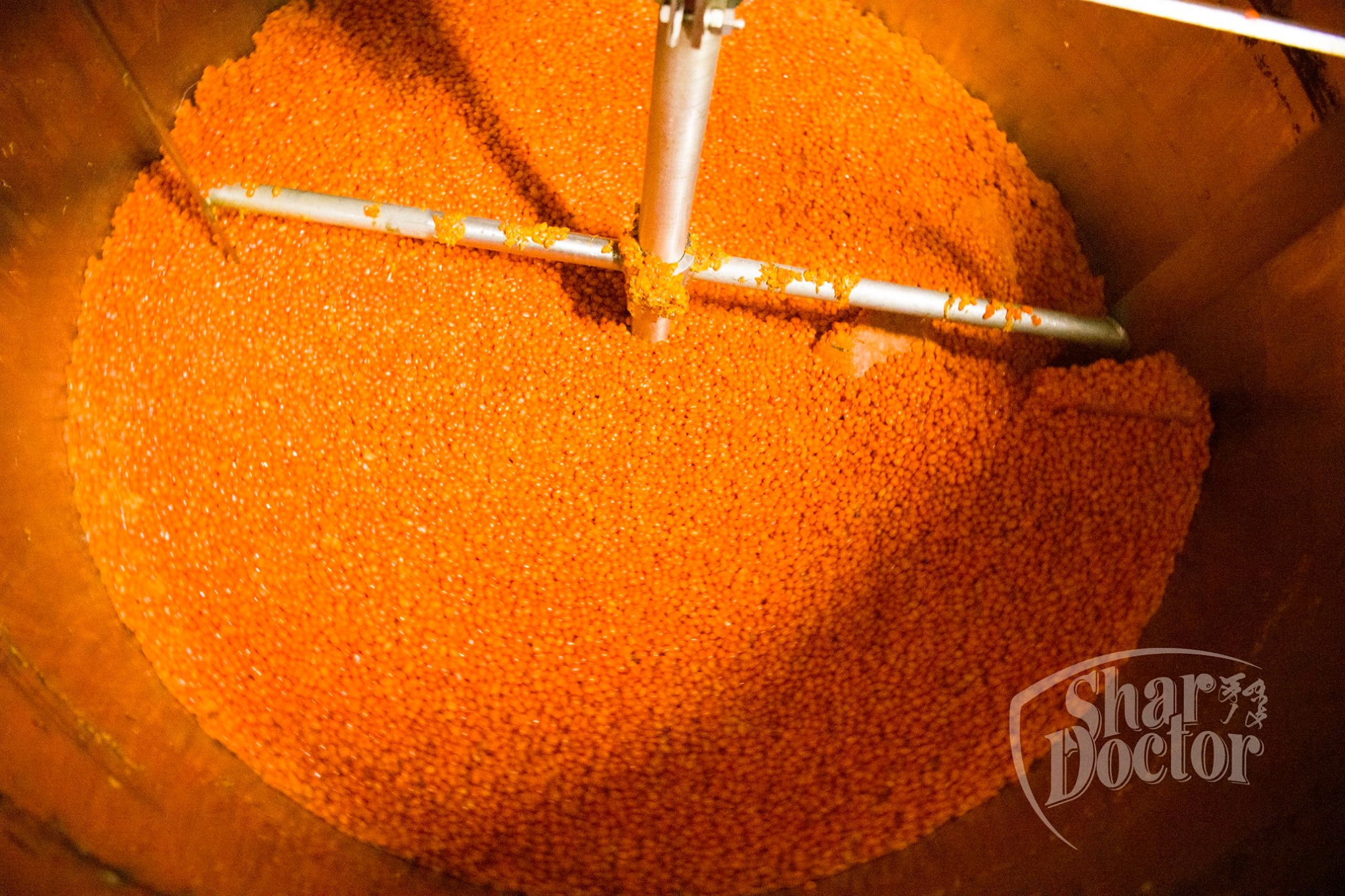
Sea buckthorn generally flowers from late April to May and reaches full maturity from late August to early September. In Mongolia, it grows as a shrub along major riverbanks, particularly in the regions of Uvs, Zavkhan, Khovd, Bulgan, and Selenge.
Unlike most oil-bearing plants, which store oil primarily in their seeds, sea buckthorn is one of the relatively few plants whose fruit pulp also contains valuable biologically active compounds and oil. For this reason, sea buckthorn oil and juice are among its principal products.
Traditional Uses
Sea buckthorn oil has traditionally been used as a nutritional supplement to support digestive health and overall well-being.
People commonly consume sea buckthorn juice as a beverage to obtain its naturally occurring vitamins, minerals, and other nutrients.
Sea buckthorn is particularly notable for containing a broad range of vitamins, including vitamins C, A, E, K, B1, B2, B3, B4, B5, B6, B9 and D, as well as various minerals and biologically active compounds.
Historical and Cultural Background
Sea buckthorn has been used as a food source by Mongolians since ancient times. Historical accounts also associate its use with the diets of rulers of the Mongol Empire and ancient Greece.
It is therefore sometimes referred to as the “King of Berries.”
According to an ancient Greek legend, dating back to approximately the 12th century BC, horses were released to graze in a forest after a major battle. The horses were said to have regained their strength and vitality after feeding on the plants and berries growing there. The forest was subsequently associated with sea buckthorn, and the botanical name Hippophae rhamnoides has traditionally been interpreted as relating to “shining” or “vital horses.”